
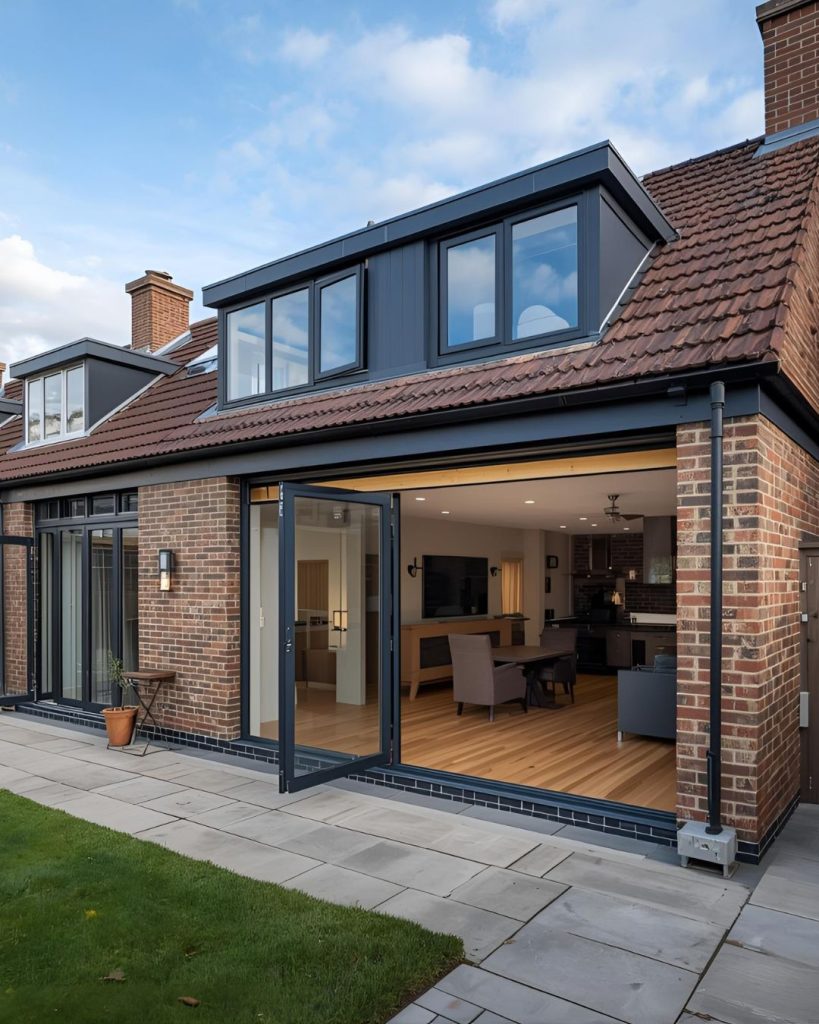
Extending a Period Property Gloucester | Complete Guide
Gloucester’s architectural heritage is one of its greatest assets. From elegant Georgian townhouses near the Cathedral Quarter to Victorian terraces across Barton Street and Edwardian semis throughout Longlevens and Barnwood, the city’s period properties offer character and craftsmanship that modern homes rarely match.
But period properties often lack the space modern families need. Kitchens are cramped, bathrooms are few, and open-plan living wasn’t a consideration when these homes were built. The good news is that extending a period property—done thoughtfully—can provide the space you need while preserving and even enhancing the character you love.
This guide covers everything Gloucester homeowners need to know about extending period properties successfully.
Understanding Your Property’s Character
Before planning any extension, take time to understand what makes your property special. Period homes have distinct characteristics worth preserving and complementing.
Georgian Properties (1714-1837)
Georgian homes feature symmetry, proportion, and classical detailing. Large sash windows, high ceilings, decorative cornicing, and elegant facades define the style. Properties around Gloucester’s historic core and conservation areas often display Georgian characteristics.
Extensions to Georgian properties must respect these proportions. Symmetry matters, and additions should complement rather than compete with the original facade.
Victorian Properties (1837-1901)
Victorian homes vary enormously—from modest terraces to substantial villas. Common features include bay windows, decorative brickwork, slate roofs, ornate fireplaces, and distinctive front doors with fanlights.
Gloucester has extensive Victorian housing across Barton Street, Kingsholm, and parts of the city centre. These properties often have rear additions already, making further extension both feasible and historically appropriate.
Edwardian Properties (1901-1910)
Edwardian homes typically feature wider frontages, larger gardens, and lighter interiors than their Victorian predecessors. Arts and Crafts influences appear in decorative details, and properties often have better natural light through larger windows.
Properties across Longlevens, Barnwood, and Hucclecote commonly display Edwardian characteristics. Their generally larger plots often accommodate extensions more easily than Victorian terraces.
Planning Considerations for Period Properties
Extending period properties involves more planning complexity than modern homes. Understanding the regulatory landscape helps you navigate the process.
Conservation Areas
Gloucester has multiple conservation areas protecting the city’s historic character. If your property falls within a conservation area—including parts of the Cathedral Quarter, Westgate Street, and surrounding historic streets—permitted development rights may be restricted.
In conservation areas:
- Extensions visible from public areas often require planning permission
- Materials must match or complement existing buildings
- Design must respect the established character
- Demolition may require consent
Check with Gloucester City Council whether your property falls within a conservation area before assuming permitted development applies.
Listed Buildings
Listed buildings have the strongest protections. Any extension to a listed building requires listed building consent in addition to planning permission—even internal alterations may need approval.
Gloucester has numerous listed buildings, particularly around the Cathedral and historic core. If your property is listed, early consultation with conservation officers is essential. They can guide appropriate approaches before you invest in detailed designs.
Article 4 Directions
Some areas have Article 4 directions removing specific permitted development rights. These often apply to historic streets where consistent character is particularly important.
Permitted Development
Where your property isn’t listed and doesn’t fall within a conservation area, normal permitted development rules apply. However, period properties often suit designs that respect their character regardless of what regulations technically permit.
Design Approaches for Period Extensions
How your extension relates to your existing property matters enormously. Several approaches work successfully for period homes.
Sympathetic Traditional Extensions
Traditional extensions use materials, proportions, and details that match your existing property. Matching brick, slate roofing, timber sash windows, and appropriate detailing create additions that look like they’ve always been there.
This approach suits:
- Properties in conservation areas where matching is expected
- Homeowners wanting seamless integration
- Extensions visible from the street
- Listed buildings where contemporary design may not gain consent
Victorian and Edwardian properties across Gloucester commonly extend in sympathetic traditional style, continuing the original architectural language.
Contemporary Contrast
Contemporary extensions make no attempt to match the original—instead creating deliberate contrast through modern materials, clean lines, and extensive glazing. Done well, contemporary extensions can enhance period properties by providing clear distinction between old and new.
This approach suits:
- Rear extensions not visible from the street
- Homeowners wanting modern living spaces
- Properties where the original character is best preserved by contrast
- Situations where matching would be impossible or inappropriate
The key is quality. Contemporary extensions to period properties must be exceptionally well designed and detailed—poor contemporary design looks far worse than competent traditional work.
Transitional Design
Transitional designs bridge traditional and contemporary, using sympathetic materials with cleaner, simpler detailing than strict traditional approaches. Brick or render walls with modern windows, simple rooflines, and restrained detailing create extensions that respect period character without pastiche.
This approach often works well for Gloucester’s Victorian and Edwardian properties, providing modern functionality while maintaining visual harmony.
Materials for Period Property Extensions
Material selection significantly affects how successfully your extension integrates with your period property.
Brickwork
Matching existing brickwork requires careful attention. Victorian and Edwardian bricks differ from modern equivalents in size, colour, texture, and mortar joints. Reclaimed bricks often provide better matches than new alternatives, though availability and cost vary.
Where exact matching isn’t possible, complementary bricks that harmonise without attempting identical replication can work well. Your builder should source samples for approval before ordering.
Roofing
Period properties typically feature slate or clay tile roofs. Matching roofing materials—or using appropriate alternatives where originals are unavailable—maintains visual continuity.
Flat roofs on single storey extensions avoid the challenge of matching pitched roof materials while providing opportunities for roof lanterns and natural light.
Windows and Doors
Window style significantly affects period authenticity. Traditional timber sash or casement windows suit most period properties better than modern uPVC alternatives—even on contemporary extensions where the contrast is with the building style rather than the window design.
Bi-fold and sliding doors work well on rear extensions, creating modern indoor-outdoor connections while remaining invisible from the street.
Glazing
Large glazed elements—roof lanterns, glass links, and extensive doors—suit period properties by bringing light into often dark interiors. Glass creates visual separation between old and new while maximising natural light.
Glazed links connecting extensions to original buildings work particularly well, providing transition spaces that clearly distinguish original from new construction.
Common Extension Types for Period Properties
Certain extension configurations suit period properties particularly well.
Rear Extensions
Rear house extensions are the most common choice for period properties. They’re typically invisible from the street, allowing more design freedom while preserving front elevations that define neighbourhood character.
Single storey rear extensions work excellently for kitchen-diners, creating modern living spaces while original reception rooms retain their period character. Double storey rear extensions add bedrooms and bathrooms above.
Victorian terraces across Gloucester commonly have existing rear additions—small sculleries or outside toilets—that can be incorporated into larger modern extensions.
Side Return Extensions
Many Victorian and Edwardian properties have narrow side returns—passages running alongside rear projections. Extending into this strip adds valuable width to rear rooms without significant garden impact.
Side return extensions transform narrow galley kitchens into generous open-plan spaces. Combined with modest rear extension, they create substantial ground floor transformations while preserving most garden space.
Wraparound Extensions
Where both side and rear space is available, wraparound extensions maximise ground floor gains. The L-shaped configuration creates substantial additional accommodation within one project.
Wraparound extensions suit larger period properties—detached villas and substantial semis with generous plots.
Basement Extensions
Period properties often have existing cellars suitable for conversion or extension. Basement development adds accommodation without affecting your garden or property’s external appearance—sometimes the only option for listed buildings or highly constrained sites.
Basement work is complex and expensive but can transform properties where conventional extensions aren’t feasible.
Costs for Period Property Extensions
Extending period properties typically costs more than extending modern homes due to:
- Specialist materials and matching requirements
- More complex detailing
- Structural considerations with older buildings
- Conservation and planning requirements
- Specialist trades for traditional techniques
Typical Costs in Gloucester (2026)
Single storey rear extension: £2,000-£3,200 per sqm Higher end for traditional detailing, matching materials, and conservation area requirements.
Side return extension: £25,000-£45,000 Depending on size and specification.
Wraparound extension: £50,000-£100,000+ Substantial projects with significant material and labour costs.
Contemporary rear extension: £2,200-£3,500 per sqm Premium glazing and high-quality modern materials increase costs.
Allow 15-25% premium over standard extension costs when extending period properties to account for materials, specialist skills, and additional planning complexity.
Working with Conservation Officers
If your property is listed or in a conservation area, early engagement with Gloucester City Council conservation officers proves invaluable.
Conservation officers can advise on:
- What approaches are likely to gain approval
- Materials and details that work in your context
- Precedents from similar approved projects
- Potential issues to address in your application
Pre-application discussions—often available for a modest fee—identify problems before you invest heavily in detailed designs. This guidance helps architects and builders develop schemes with realistic approval prospects.
Choosing the Right Builder
Period property extensions require builders who understand traditional construction and sympathetic design. Not all builders have this expertise.
When selecting a builder for period property work:
- Ask for examples of similar completed projects
- Check understanding of traditional materials and techniques
- Verify experience with conservation area or listed building work
- Ensure they can source appropriate materials
- Confirm relationships with specialist trades where needed
Builders experienced with Gloucester’s period housing stock understand local materials, typical construction methods, and what conservation officers expect.
Getting Started
Extending a period property successfully requires balancing modern requirements with historic character. The right approach depends on your specific property, its context, and your requirements.
We extend period properties throughout Gloucester and surrounding areas including Quedgeley, Abbeydale, Hucclecote, Barnwood, Longlevens, Tuffley, Churchdown, Brockworth, Innsworth, Twigworth, and surrounding Gloucestershire villages. We understand the particular requirements of Victorian, Edwardian, and Georgian homes, and work sensitively to create extensions that enhance rather than compromise their character.